
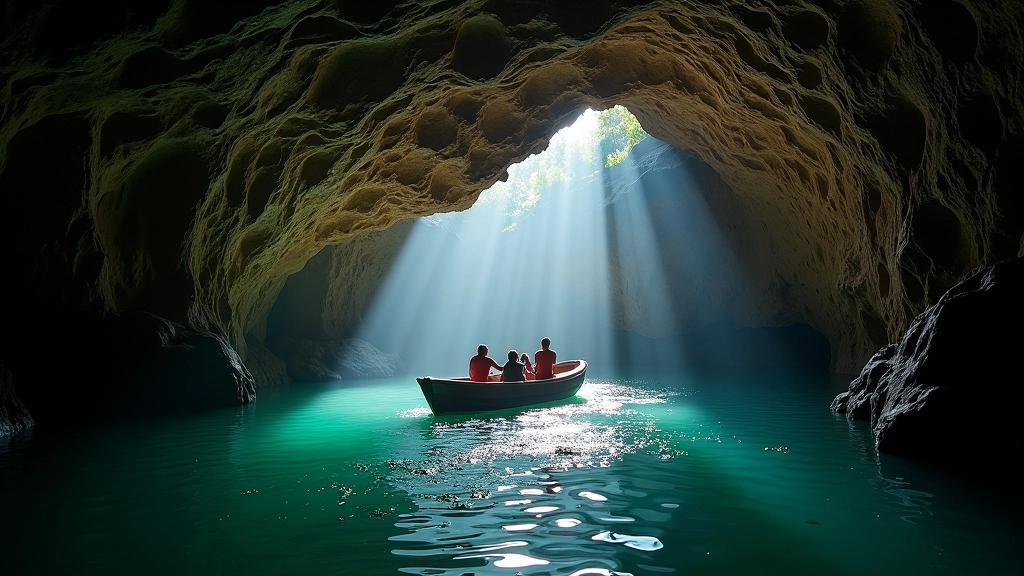
Punkva Cave Boat Tour Essentials
Everything you need to know before boarding: water depth, boat types, lighting systems, and what to expect during your underground river journey.
Read GuideA 138-meter sinkhole that'll take your breath away. This guide covers the viewing platforms, photography tips, and the geology that created this dramatic chasm.
Editorial Team
Written by the tavioantis editorial team, focused on honest, practical information about cave tours and natural attractions.
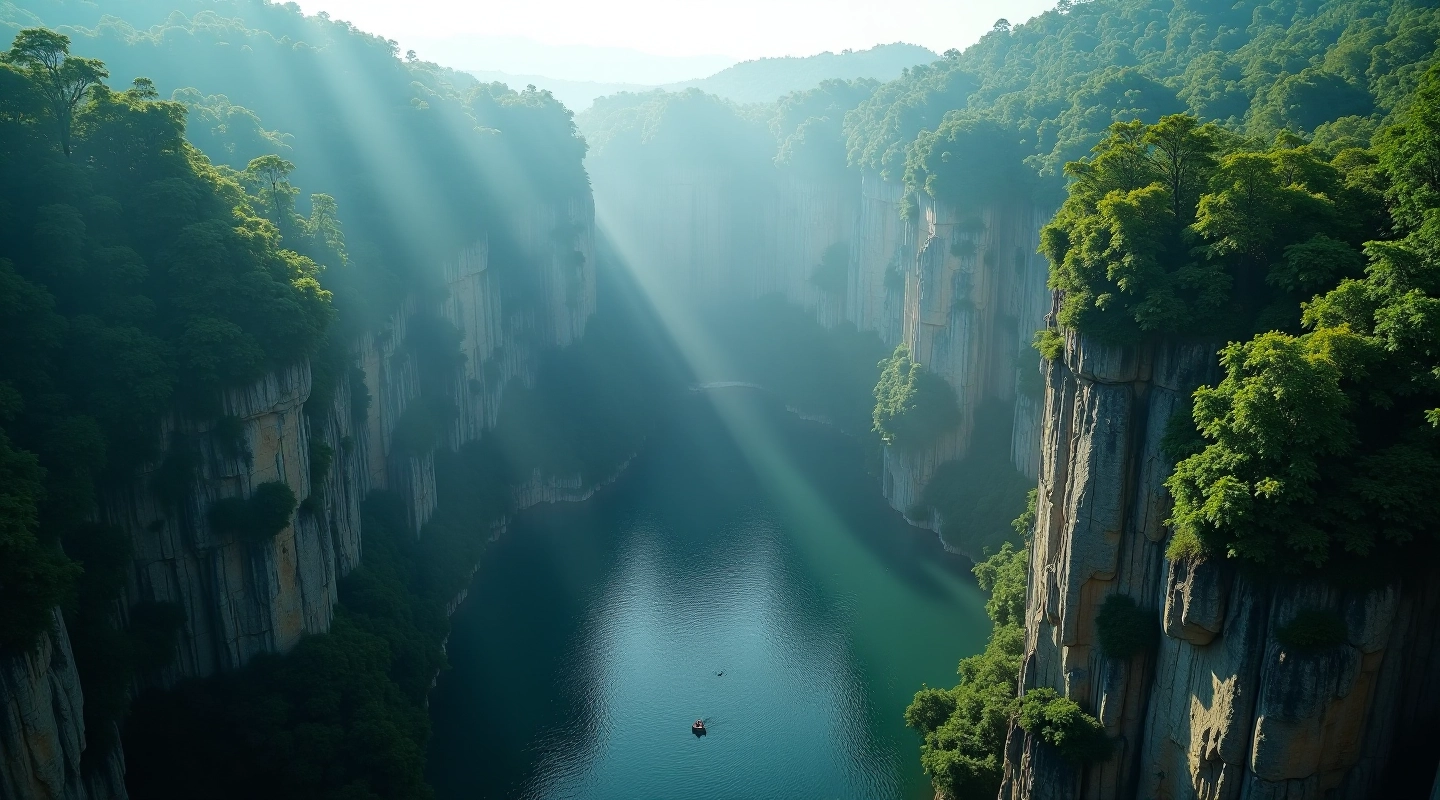
When you step onto the rim of Macocha Abyss, the ground doesn't disappear beneath you — it drops. All 138 meters of it. That's roughly 450 feet straight down to where the Punkva River emerges from underground, and honestly, the photographs don't prepare you for the actual scale. Your phone camera will try. It'll fail. You'll need to see it yourself.
The abyss isn't some hidden cave entrance. It's a massive collapse sinkhole formed when the limestone ceiling gave way thousands of years ago. Water carved the cave system below, limestone dissolved over millennia, and eventually gravity won. What remains is one of Central Europe's most dramatic geological features — and one of the best viewpoints you'll ever experience.
There's a reason the viewing platforms here are always crowded. It's not just the scale. It's the combination of sheer rock walls, the forest hanging off the cliff edges, and the actual river visible far below. It's surreal.
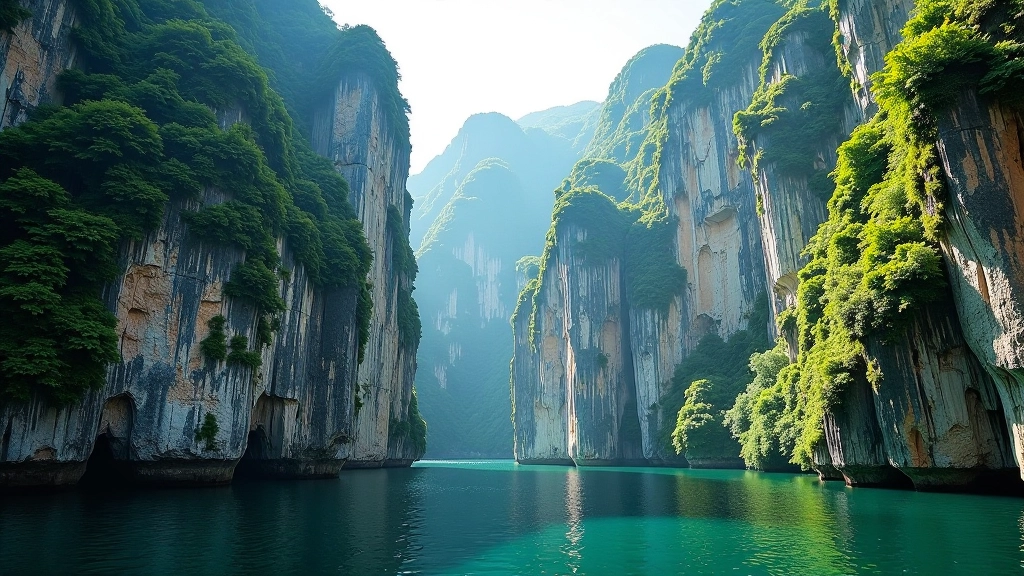
The viewing platforms are concrete and sturdy, but the first time you lean over the railing and see straight down into the void, your knees will remember they're afraid of heights.
This guide provides general information about visiting Macocha Abyss. Conditions, access, and viewing platform status can change. Always check current access information and follow local safety guidelines when visiting. The site is a natural area and weather conditions can change rapidly — bring appropriate clothing and footwear.
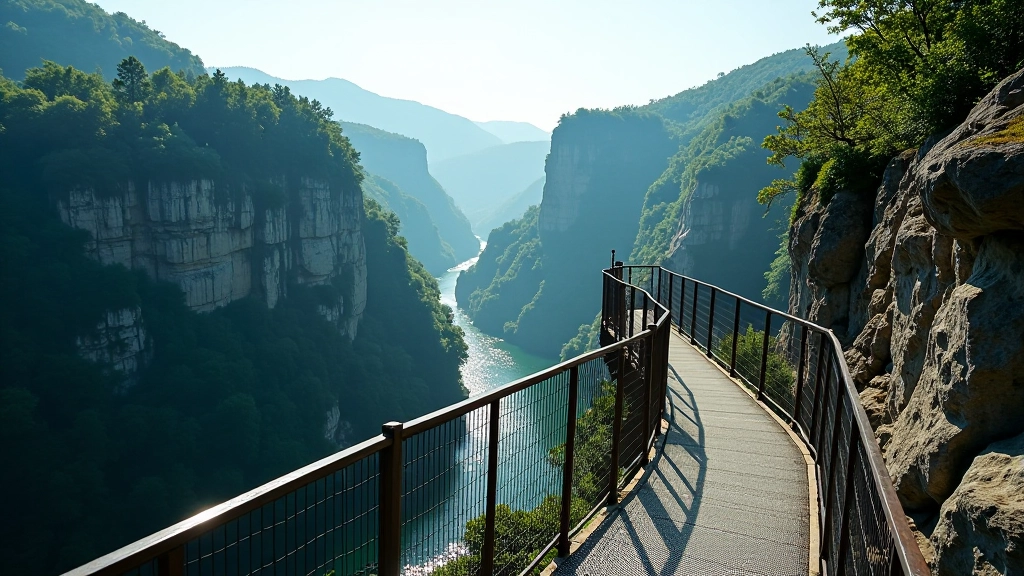
There are actually two main platforms on the rim. The upper platform is where most people start — it's more accessible and gives you a general sense of the scale. The lower platform gets you closer to the edge and changes your perspective entirely. Not everyone goes down to it, which means it's often less crowded.
Both platforms have sturdy metal railings. They're not ancient. They're not sketchy. They're genuinely well-maintained, and you can lean on them without worry. Still, if you're uncomfortable with heights, take the upper platform and call it a day. There's no shame in that, and the view is genuinely impressive from up there.
The walk between platforms takes about 3 minutes. It's a gentle path, not steep. Wear proper shoes though — the ground can be wet or slippery depending on recent weather. Flip-flops are a mistake. Hiking boots are overkill. Regular trainers work fine.
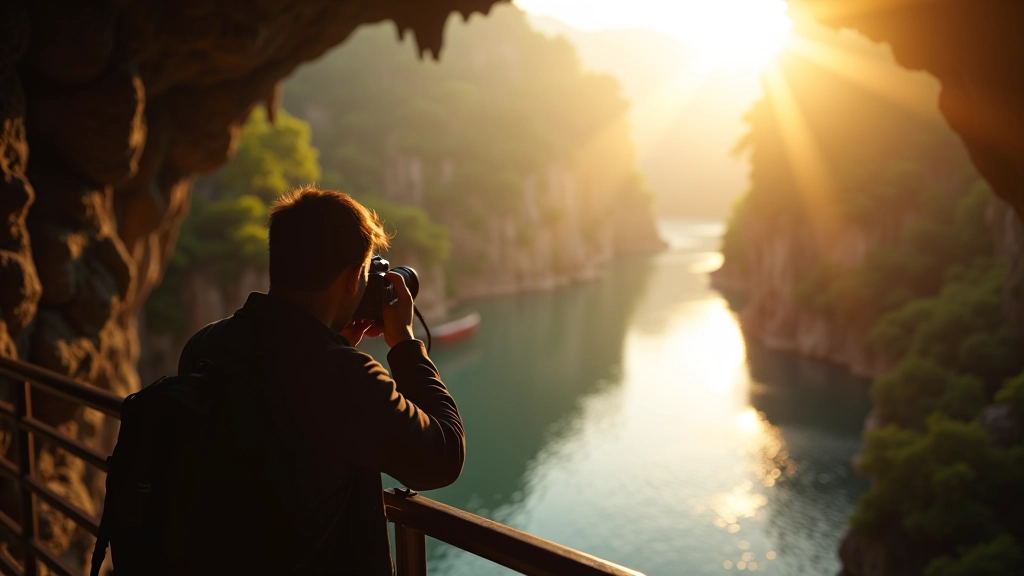
Your phone camera will struggle with the depth. The human eye can handle the distance and darkness at the bottom — cameras can't, not the same way. Here's what actually helps:
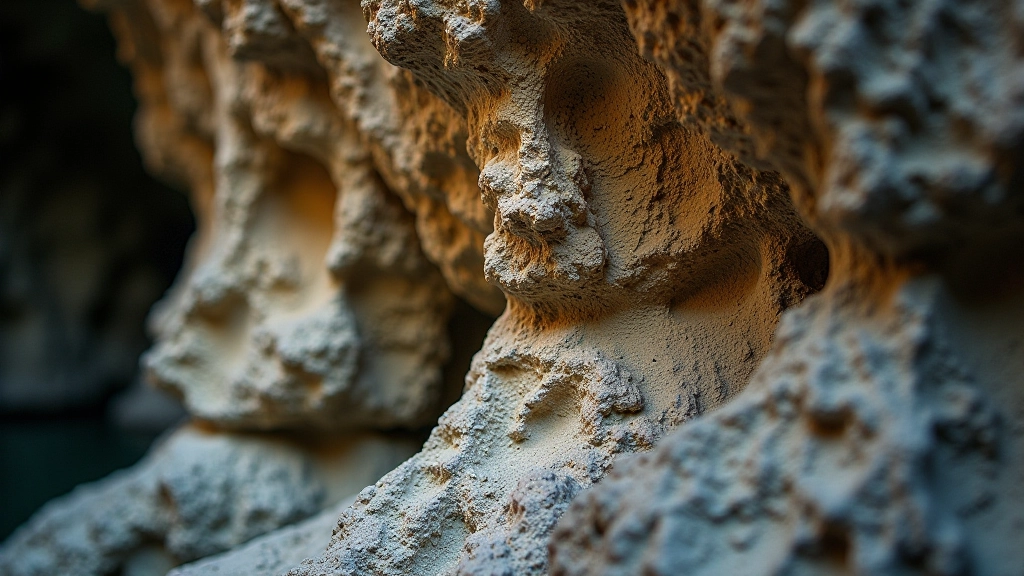
Macocha isn't just a hole. It's the visible result of a geological process that took thousands of years. The area is built on Cretaceous limestone — rock that formed from ancient seas about 100 million years ago. Limestone dissolves when rainwater (which is slightly acidic) percolates through it. Over time, the water carved out caves and passages beneath the surface.
The Punkva River runs through these underground passages. It's not a fast torrent — it's a calm, slow river that carved its way through stone over millennia. Eventually, the roof of one of these caves got too thin. The ceiling collapsed. The result is Macocha Abyss.
If you look closely at the cliff walls, you'll see the limestone layers. Some are darker than others. These represent different periods of sediment deposition. The variation tells a story of environmental changes over millions of years. It's geology you can actually read if you know what you're looking for.
The platforms are free to access. No tickets, no guides required unless you want one. The site is open year-round, though winter visits come with challenges. Snow and ice can make the paths treacherous. Spring through autumn is ideal.
Bring water. Seriously. There's nothing to buy at the rim. The nearest facilities are back at the parking area, and the walk between takes 10-15 minutes depending on your pace. Bring sunscreen too — the limestone reflects light, and you'll burn faster than you'd expect.
The visit itself takes 30-45 minutes if you're just standing around and absorbing it. Add another 30 minutes if you're photographing or if you visit both platforms and explore a bit. Some people spend hours here. There's no rush.
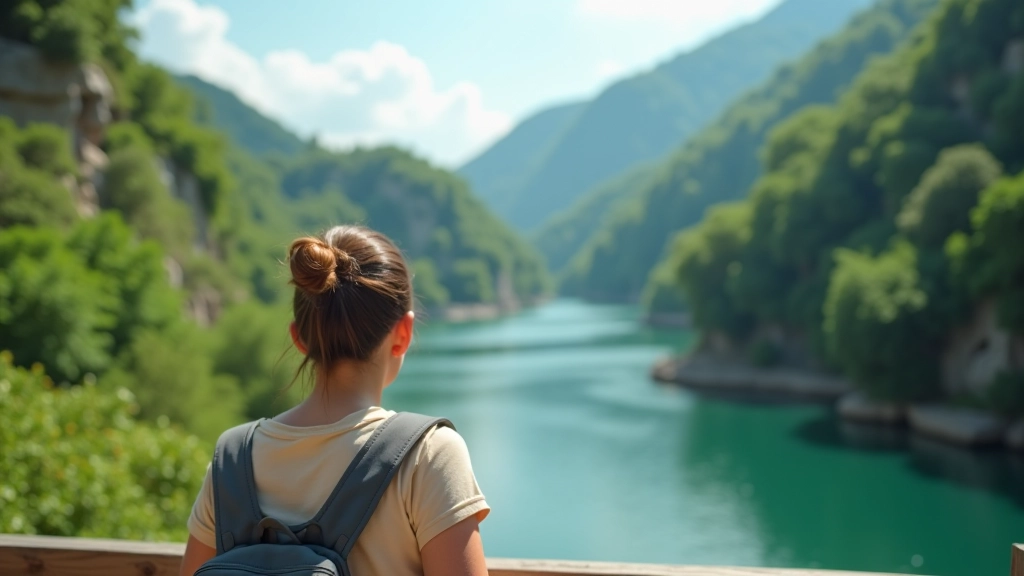
Macocha Abyss is more than just a spectacular view. It's a window into how the landscape actually forms. Every sinkhole, every cave system, every underground river tells a story written in limestone and water. Standing on that rim, you're not just looking at a hole in the ground. You're looking at 100 million years of geology, thousands of years of water carving through stone, and the exact moment when the ceiling gave way.
That's why it stays with you. That's why people come back.
Discover related guides to deepen your understanding of this unique region
Everything you need to know before boarding: water depth, boat types, lighting systems, and what to expect during your underground river journey.
Read Guide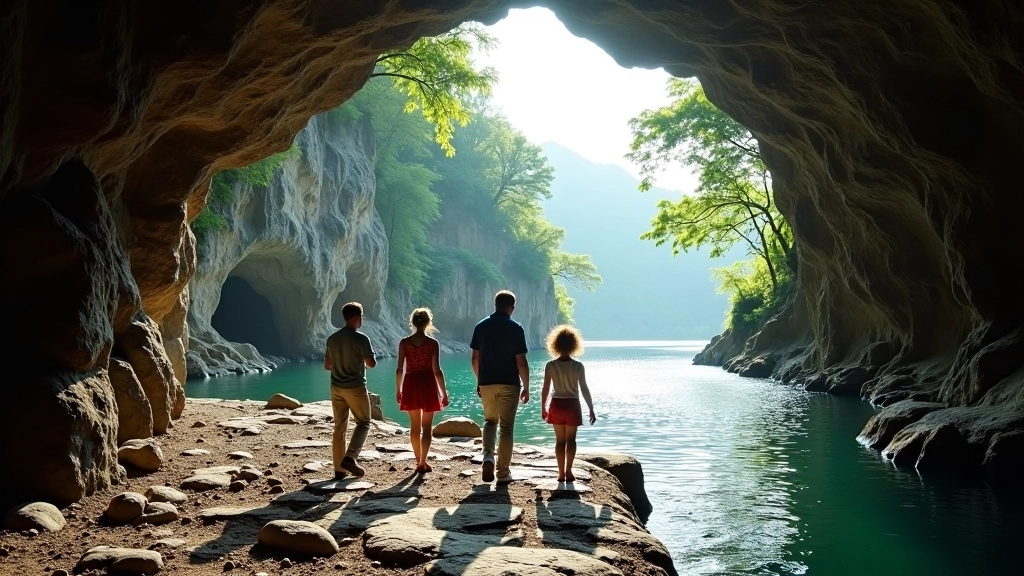
Tips for bringing kids on underground boat rides. Age recommendations, keeping children engaged, and what gear works best for young explorers.
Read Guide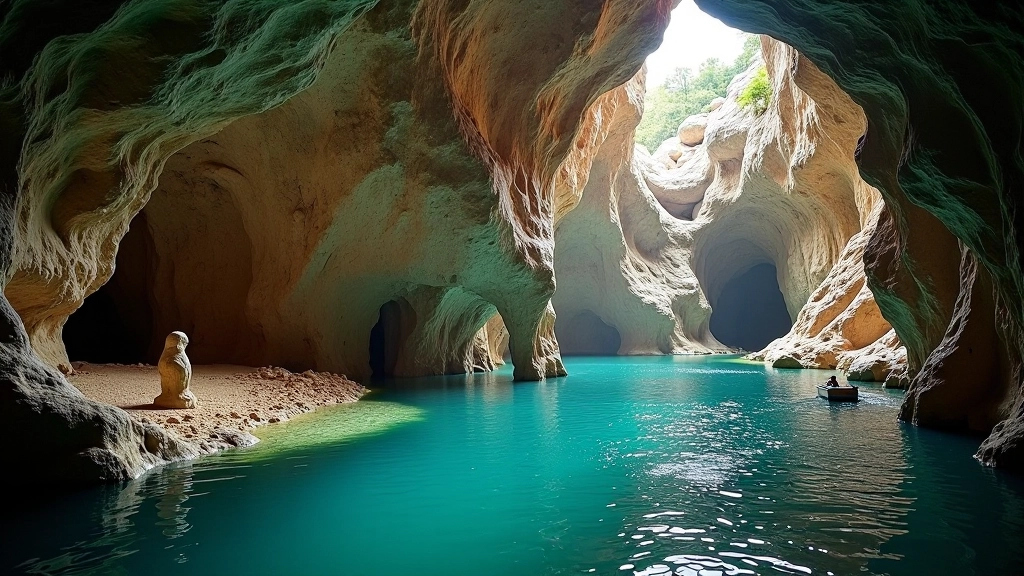
Understand the science behind Punkva Cave. How limestone dissolves, cave systems develop, and why underground rivers follow their specific paths.
Read Guide