
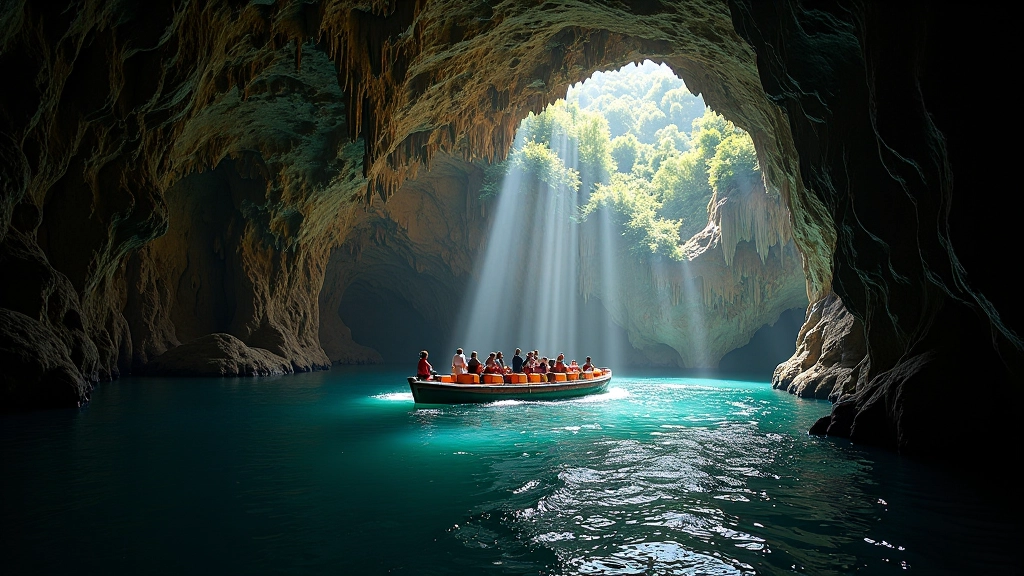
Punkva Cave Boat Tour Essentials
Everything you need to know before boarding: water depth, boat types, lighting systems, and what to expect during your underground river journey.
Read GuideTips for bringing kids on underground boat rides. Age recommendations, keeping children comfortable, managing fears, and making it educational and fun for everyone.
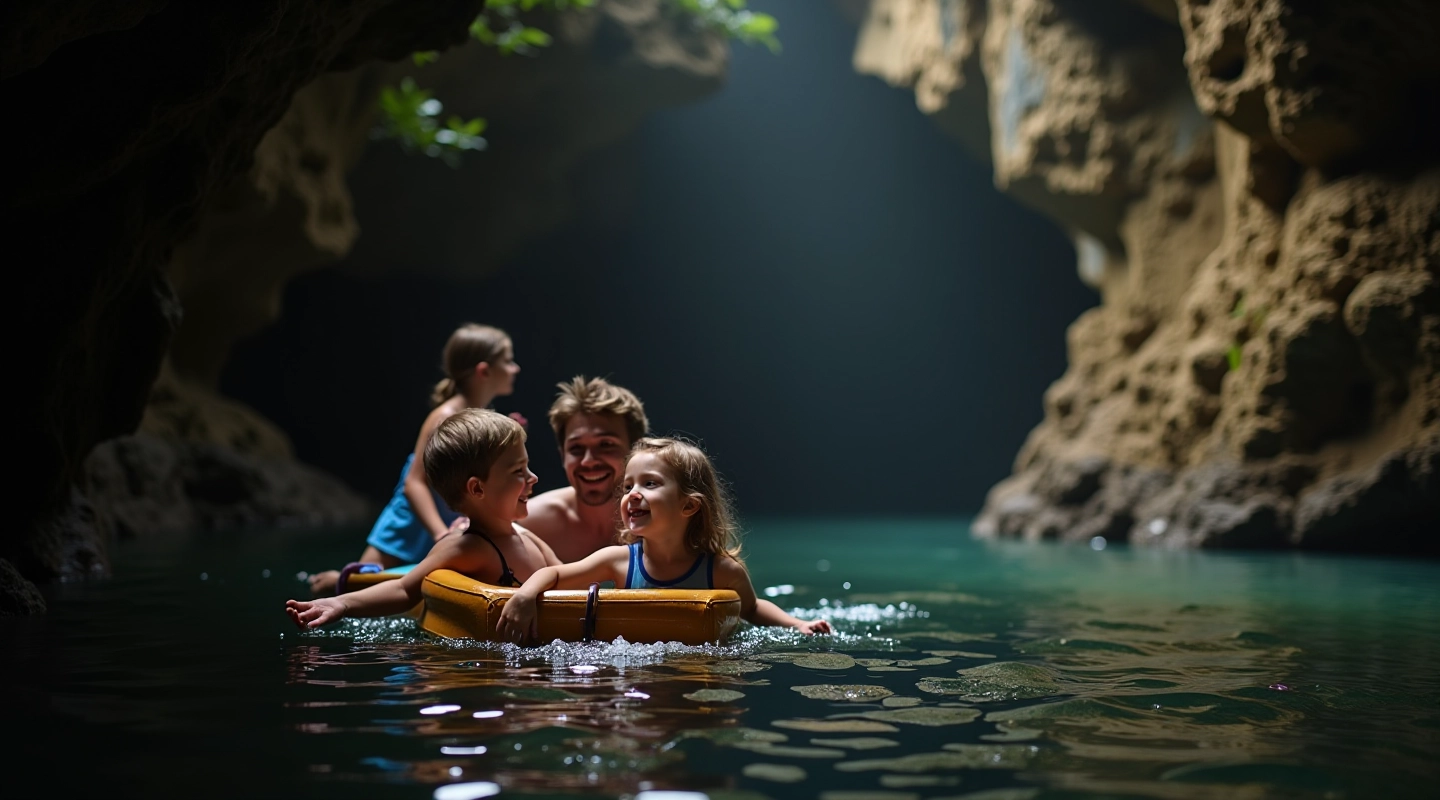
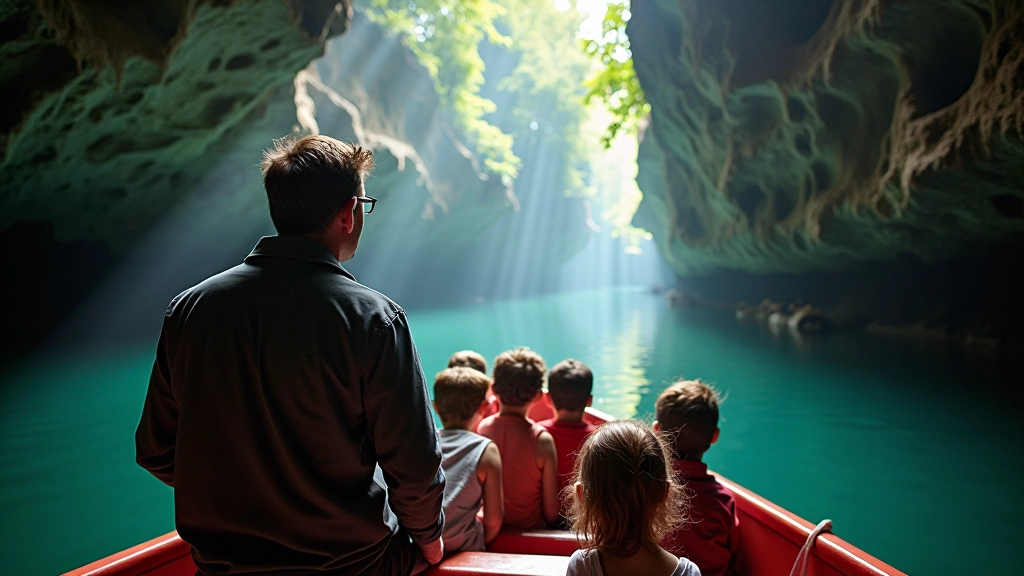
Taking kids into a cave for the first time is a big moment. They're excited, curious, maybe a little nervous about what's waiting below. You're wondering if they'll be scared, if the boat will be too rocky, if it's worth the hassle. Here's the truth — it's one of the best family experiences you can give them, but it takes some smart planning.
Most caves allow kids as young as 4 or 5 on boat tours. The question isn't really about age — it's about temperament. A confident 6-year-old will have a better time than an anxious 10-year-old. That said, younger kids under 5 often struggle with sitting still on the boat for 30-45 minutes without getting fussy.
Here's what we've seen work: Kids aged 6-12 are the sweet spot. They're old enough to understand what's happening, young enough to be genuinely amazed by it. Teenagers? They'll pretend they're bored but they're not. Something about being underground in a boat hits differently at that age.
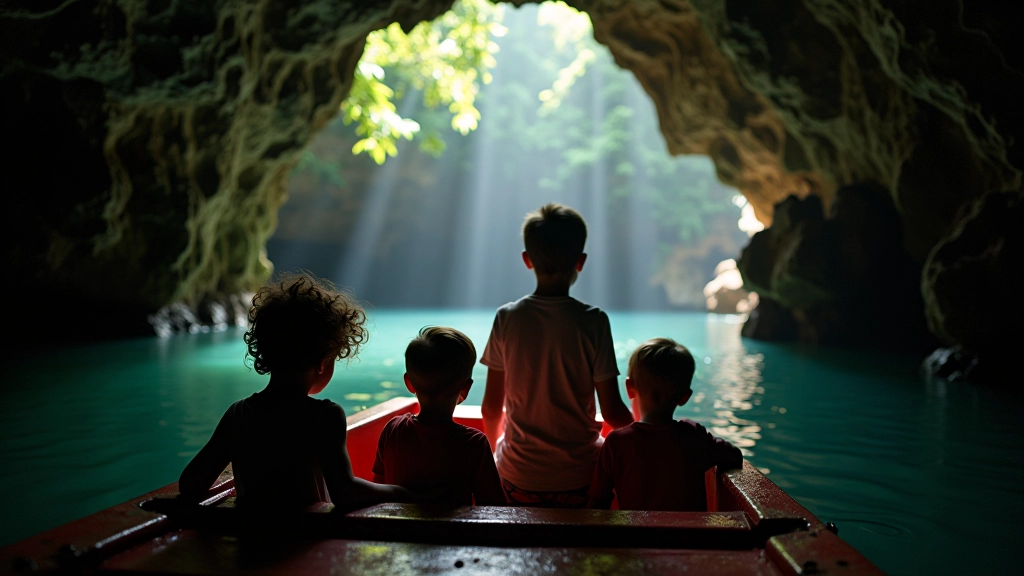
"The boat's stable, the guides know what they're doing, and the kids remember it forever. Just prep them mentally first."
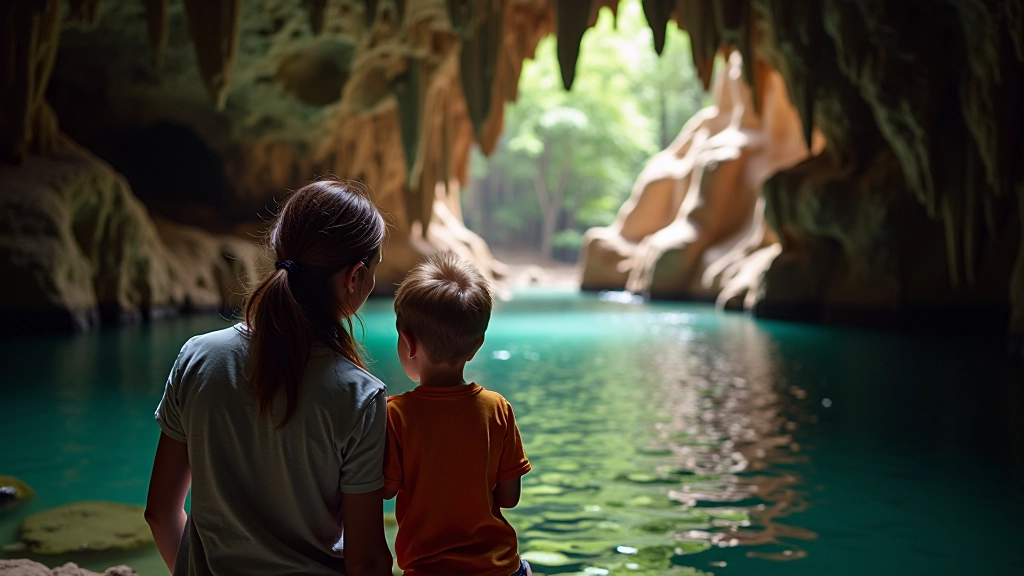
Don't just show up and hope for the best. Talk to your kids about what caves are like. It's dark down there — actually dark, not just dim. The air is cool, usually around 10-15°C (50-59°F). The boats rock a little bit but they're designed to be stable. Show them pictures online. Let them know there's a guide the whole time who's done this hundreds of times.
Some kids worry about bats. Fair question. You'll likely see them, and they're completely harmless. Frame it as a bonus — how many kids get to see real bats in their natural habitat? Make it an adventure, not a scary thing.
Some kids will get nervous as you descend into darkness. That's totally normal. The best guides recognize this and slow down, explain what's happening, point out cool formations. They're used to nervous kids — don't apologize for your child being cautious.
One trick that works: Focus their attention on the details. Ask them to count stalactites. Have them guess how long formations took to grow. Turn the experience into a scavenger hunt mentally. "Can you spot where water dripped to create that shape?" This keeps their mind engaged instead of anxious.
This guide is educational information about planning family cave tours. Every cave and tour operator has different safety requirements, age restrictions, and policies. Always contact your specific cave tour operator directly to confirm what's suitable for your children, any health or mobility considerations, and current operating procedures. Cave conditions can vary seasonally, and guides' expertise is essential for safe, enjoyable experiences.
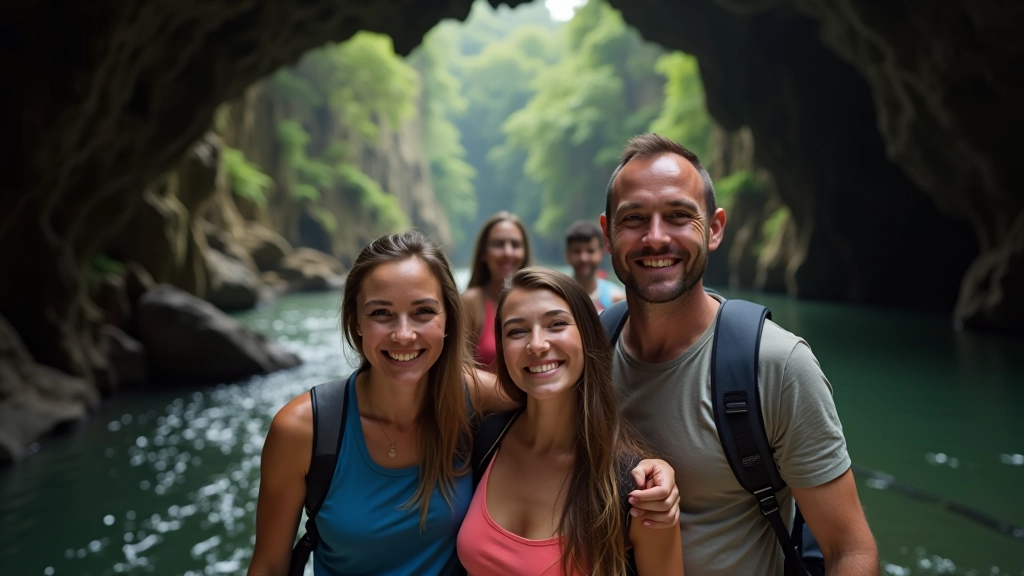
Here's something parents don't always realize — caves are basically geology lessons happening in real time. Kids see how water shapes rock over thousands of years. They understand erosion not from a textbook but from being inside the process. They learn about stalactites and stalagmites, about mineral deposits, about how underground rivers work.
A good guide will explain this in language kids understand. Not a lecture — a conversation about how the cave grew, how long it took, what it reveals about Earth's history. Your kids leave knowing something real.
A family cave tour isn't just another day out. It's something your kids will talk about for years. They'll remember the darkness, the cool air, the guide's stories, the moment they realized they were inside a living, breathing geological formation. You're giving them a connection to the natural world that sticks with them.
Plan well, prepare them properly, and trust the process. The guides do this every day. You're there to support your kids through something new. And honestly? Watching their faces when they see those formations for the first time makes the whole thing worth it.
Deepen your knowledge with related guides
Everything you need to know before boarding: water depth, boat types, lighting systems, and what to expect during your underground river journey.
Read Guide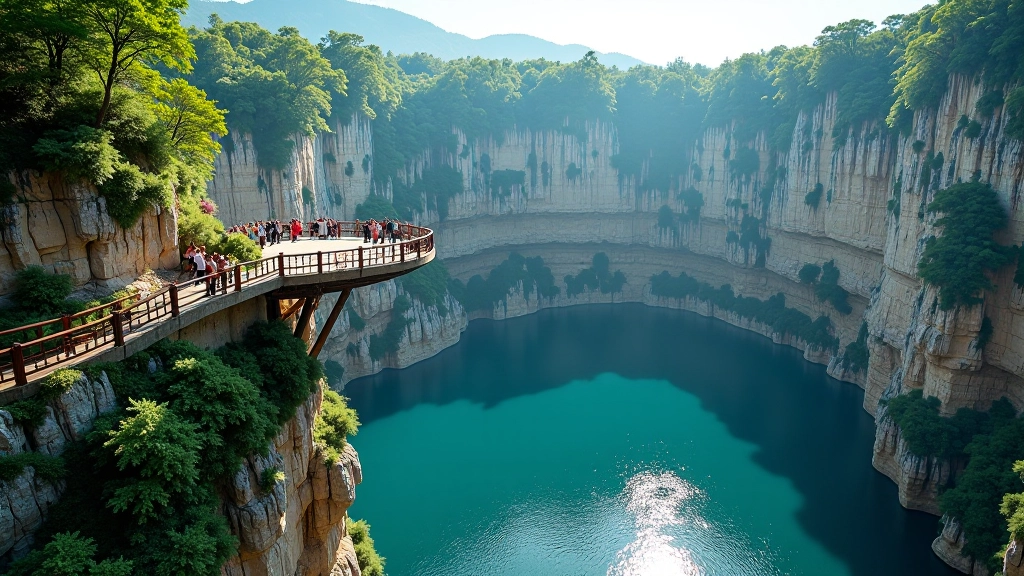
A 138-meter sinkhole that'll take your breath away. This guide covers the viewing platforms, safety considerations, and the best times to visit for photography.
Read Guide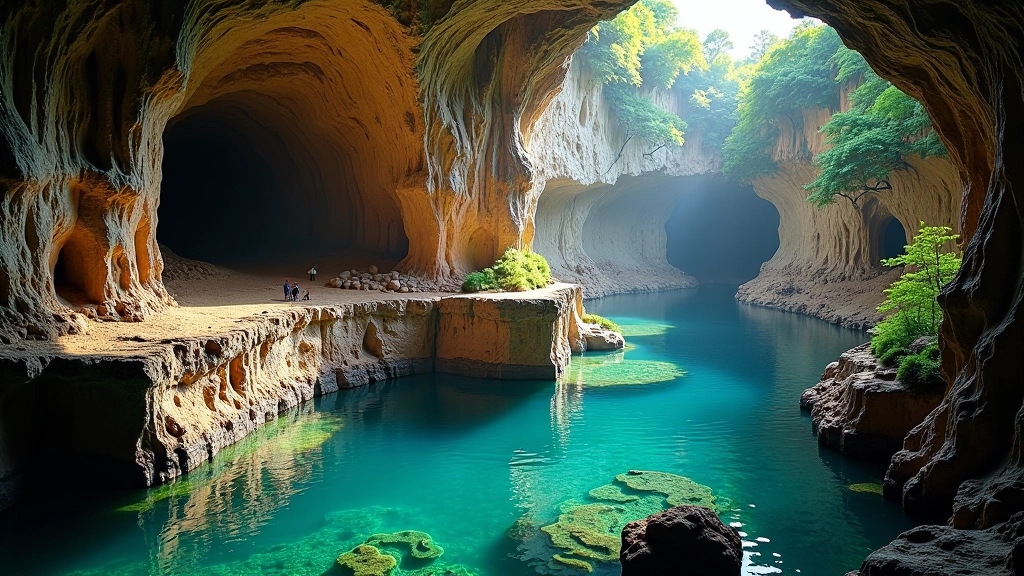
Understand the science behind Punkva Cave. How limestone dissolves, cave systems develop over millennia, and water carves these spectacular underground passages.
Read Guide